| Description |
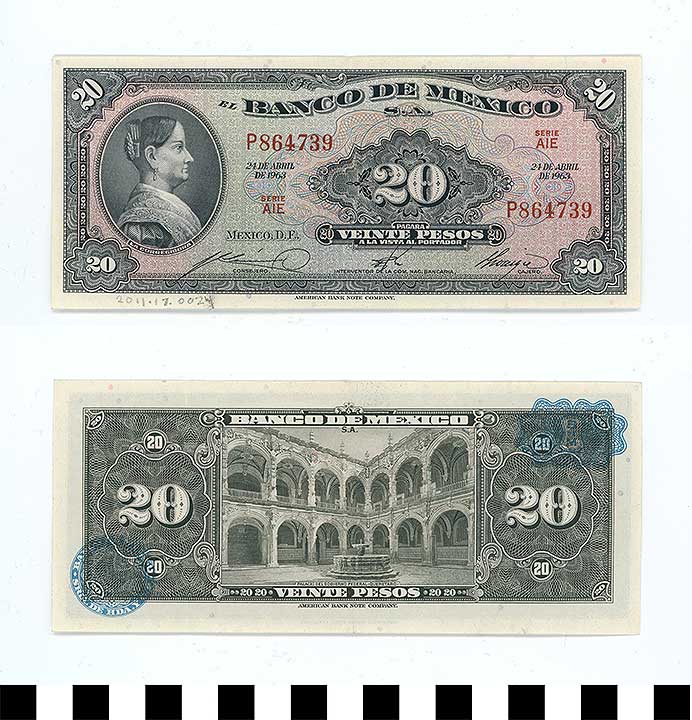
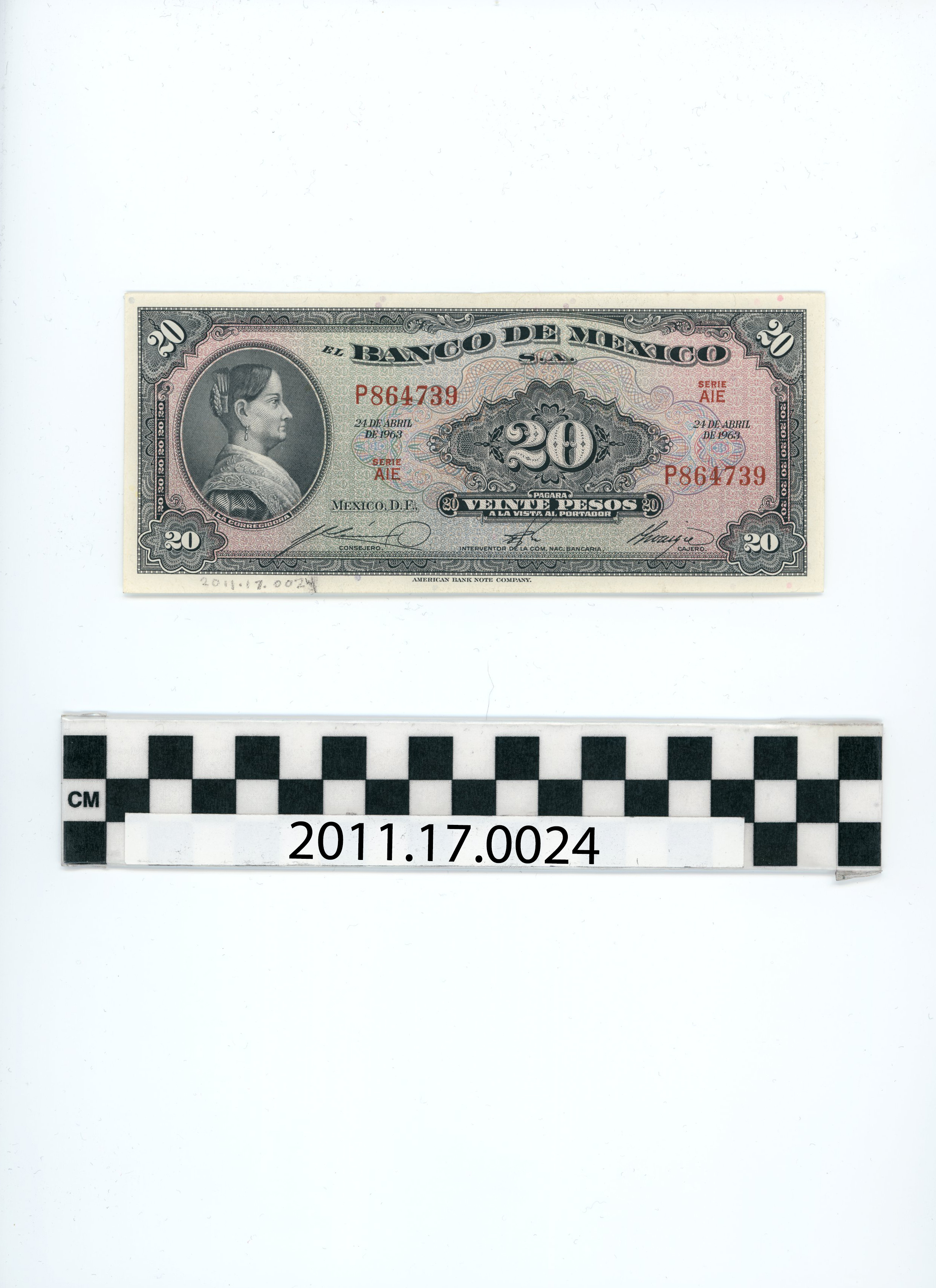
Josefa Ortíz de Domínguez is one of, if not the most, acclaimed heroine in Mexican history. Her role in the Mexican independence movement of the early 19th century is often reduced to a singular grandiose moment.
Josefina was born September 8th, 1768 in Valladolid, modern day Morelia, Michoacán. The death of her parents when she was young left her to be raised by her older sister. Josefina proved to be a headstrong, confident and somewhat rebellious personality from an early age, going directly against the demure conduct expected of women at the time. She attended San Ignacio de Loyola, one of the first three schools intended for women in México, today known as ‘las Vizcaínas’. Josefa received a complete education, consisting of reading and writing skills as well as religion, embroidery, sewing, music theory, science, Latin and history. Here, she would meet Miguel Domínguez, a renowned lawyer and her future husband. He would later serve as the governor of Queretaro in 1802. Domínguez was referred to as el Corregidor (governor) and Josefa would inherit the female version of this nickname. It is worth noting that Josefa did not hold the official title of governess (Corregidora), but she played such an active role in politics that the people of Queretaro named her as such.
In 1809, the city of Queretaro soon found itself engulfed in an insurgent spirit that would unleash the war of independence. Josefa sympathized with the cause, particularly the mistreatment and contempt which New Spain’s indigenous and black populace faced. Josefa joined the 'conspiracy groups,' as the insurgents came to be known, and became deeply involved with the cause. This was made possible by passing the insurgent meetings as literary groups, known as the tertulias. Key figures of Mexico’s independence from Spain attended these meetings, namely Miguel Hidalgo, a Dolores priest, Ignacio Allende and Juan Aldama. In September of 1810, spies of the Spanish crown infiltrated the insurgent meetings and informed the authorities of the independence movement. The Spanish government ordered Miguel Domínguez to arrest the insurgents and restore order in New Spain.
Upon realizing the insurgent movement had been discovered, Miguel locked his wife in her room, fearing her radical ideology might drive her to take some drastic measure against the crown. Ignacio Pérez, the warden and one of the conspiracy's active operatives, resided in the room directly below hers. He and Josefa had already agreed that in the event of an emergency, she would contact him by stomping three times on the ceiling of the room he was occupying. As soon as he received that signal, Ignacio Pérez dashed to the hallway of the Corregidora, where she was waiting for him. She spoke to him through the lock, informing him of the situation and directing him to inform Allende and the rest of the insurgent leaders the revolution could not wait until December– it had to be taken into effect immediately. This is the historic moment she is most renowned for. Thanks to her, Pérez was able to complete this mission and the revolution of 1810 came to a successful start in what would be known as El Grito de Dolores (The cry of Dolores). |
| Bibliography |
Flores Villicaña, Quetziquel. “La Participación de La Mujer En La Construcción Del México Independiente.” Alegatos Revista, 2009. http://alegatos.azc.uam.mx/index.php/ra/article/view/378.
“Josefa Ortiz de Domínguez Heroína Del Movimiento de Independencia de México.” CNDH México. Accessed August 11, 2023. https://www.cndh.org.mx/noticia/josefa-ortiz-de-dominguez-heroina-del-movimiento-de-independencia-de-mexico.
López, Enrique, Andrés Alba, and Luis Felipe Ángeles. Josefa Ortiz de Domínguez. La Corregidora de Querétaro - Bully Magnets - Historia Documental. YouTube. Bully Magnets, 2015. https://www.youtube.com/watch?v=asWjAGCxfhg&ab_channel=BullyMagnets.
Servicio de Información Agroalimentaria y Pesquera. “Josefa Ortiz de Domínguez, Patriota y Heroína de La Independencia.” Gobierno de México, September 8, 2022. https://www.gob.mx/siap/articulos/josefa-ortiz-de-dominguez-patriota-y-heroina-de-la-independencia.
Zárate Toscano, Verónica, & Eduardo Flores Clair “La iconografía Del Papel Moneda En México, Siglos XIX Y XX”. Historias, n.º 104, June 28, 2021. https://revistas.inah.gob.mx/index.php/historias/article/view/16980. |