
Search Results
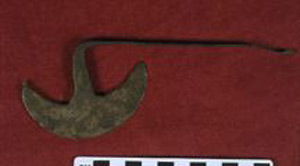
Scarification Set: Single Blade Knife2000.19.0001B (2000.19.0001B)
16.8 x 6.1 x .6 cm (39 g)
Location: Africa
Classification/Nomenclature: Personal Artifacts : Toilet Articles : Beauty Supplies
Classification/Nomenclature: Personal Artifacts : Toilet Articles : Beauty Supplies
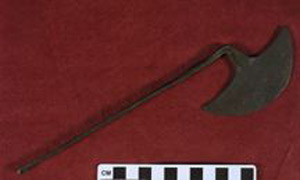
Scarification Set: Single Blade Knife2000.19.0001C (2000.19.0001C)
23.6 x 5.7 x .7 cm (65 g)
Location: Africa
Classification/Nomenclature: Personal Artifacts : Toilet Articles : Beauty Supplies
Classification/Nomenclature: Personal Artifacts : Toilet Articles : Beauty Supplies
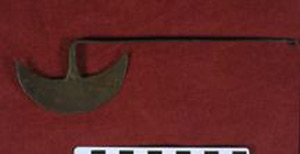
Scarification Set: Single Blade Knife2000.19.0001D (2000.19.0001D)
19.9 x 5.2 x .6 cm (32 g)
Location: Africa
Classification/Nomenclature: Personal Artifacts : Toilet Articles : Beauty Supplies
Classification/Nomenclature: Personal Artifacts : Toilet Articles : Beauty Supplies
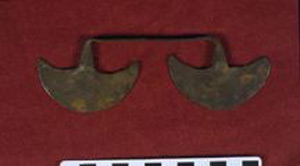
Scarification Set: Double Blade Knife2000.19.0001E (2000.19.0001E)
14.4 x 4.4 x .5 cm (34 g)
Location: Africa
Classification/Nomenclature: Personal Artifacts : Toilet Articles : Beauty Supplies
Classification/Nomenclature: Personal Artifacts : Toilet Articles : Beauty Supplies
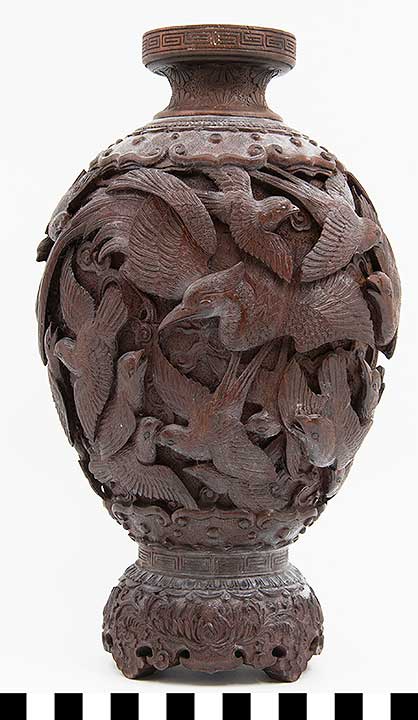
Vase: Daoist Immortal on Water Buffalo2000.20.0001 (2000.20.0001)
28.5 x 17.5 x 13.6 cm (1,512 g)
Location: Asia, East: Japan
Period: Meiji Period (1868-1912); Late 19th century
Classification/Nomenclature: Furnishings : Household Accessories : Horticultural Containers
Description: "A richly and finely carved Japanese vase, bamboo, with the body covered overall with various birds, the shoulder with an ornamental band, key fret motif on rim of mouth, the foot carved and scalloped, height 11 1/2 inches...
Period: Meiji Period (1868-1912); Late 19th century
Classification/Nomenclature: Furnishings : Household Accessories : Horticultural Containers
Description: "A richly and finely carved Japanese vase, bamboo, with the body covered overall with various birds, the shoulder with an ornamental band, key fret motif on rim of mouth, the foot carved and scalloped, height 11 1/2 inches...
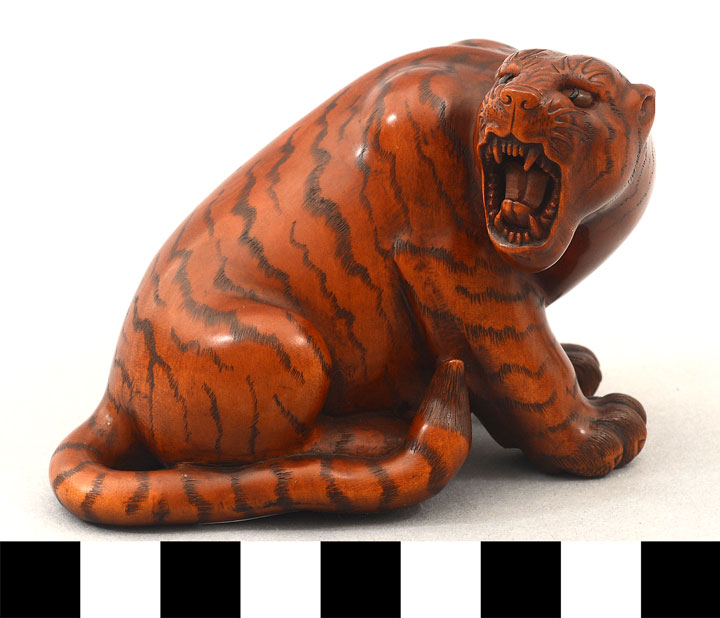
Okimono: Tiger2000.20.0002 (2000.20.0002)
8.7 x 6.1 x 5.5 cm (89 g)
Location: Asia, East: Japan
Period: Late Edo Period (1603-1868) - Early Meiji Period (1868-1912); 19th century
Classification/Nomenclature: Communication Artifacts : Art
Description: This is the base of a Japanese boxwood okimono of a tiger, an animal revered in Asian culture as a symbol of strength and courage...
Period: Late Edo Period (1603-1868) - Early Meiji Period (1868-1912); 19th century
Classification/Nomenclature: Communication Artifacts : Art
Description: This is the base of a Japanese boxwood okimono of a tiger, an animal revered in Asian culture as a symbol of strength and courage...
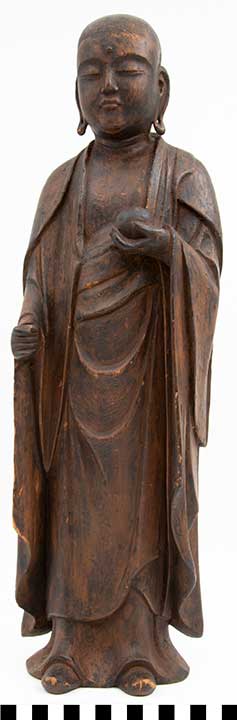
Carving: Jizo (Kshitigarbha), Protector of Travelers and Children2000.20.0003A (2000.20.0003A)
50.1 x 16.1 x 11.5 cm (731 g)
Location: Asia, East: Japan
Period: Edo Period; 18th century
Classification/Nomenclature: Communication Artifacts : Personal Symbols : Belief Symbols
Description: "A rare Japanese wood carving of Jizo with attributes, 18th Century, height 21 inches. Jizo is the Japanese name for the Bodhisativa Kshitigarbha...
Period: Edo Period; 18th century
Classification/Nomenclature: Communication Artifacts : Personal Symbols : Belief Symbols
Description: "A rare Japanese wood carving of Jizo with attributes, 18th Century, height 21 inches. Jizo is the Japanese name for the Bodhisativa Kshitigarbha...

Carving: Jizo (Kshitigarbha), Protector of Travelers and Children, Shakujo (staff)2000.20.0003B (2000.20.0003B)
50.3 x 3.7 x .8 cm (7 g)
Location: Asia, East: Japan
Period: Edo Period; 18th century
Classification/Nomenclature: Communication Artifacts : Personal Symbols : Belief Symbols
Description: "A rare Japanese wood carving of Jizo with attributes, 18th Century, height 21 inches. Jizo is the Japanese name for the Bodhisativa Kshitigarbha...
Period: Edo Period; 18th century
Classification/Nomenclature: Communication Artifacts : Personal Symbols : Belief Symbols
Description: "A rare Japanese wood carving of Jizo with attributes, 18th Century, height 21 inches. Jizo is the Japanese name for the Bodhisativa Kshitigarbha...
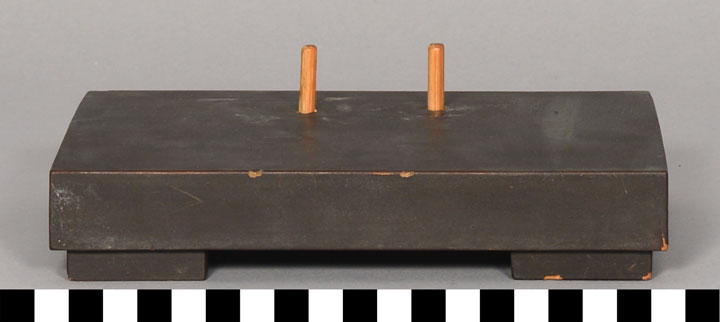
Carving: Jizo (Kshitigarbha), Protector of Travelers and Children, Base2000.20.0003C (2000.20.0003C)
19.4 x 15.1 x 3.5 cm (375 g)
Location: Asia, East: Japan
Classification/Nomenclature: Communication Artifacts : Personal Symbols : Belief Symbols
Description: 10/20/2006: "Stand is modern mount." -Unknown, no date
Classification/Nomenclature: Communication Artifacts : Personal Symbols : Belief Symbols
Description: 10/20/2006: "Stand is modern mount." -Unknown, no date
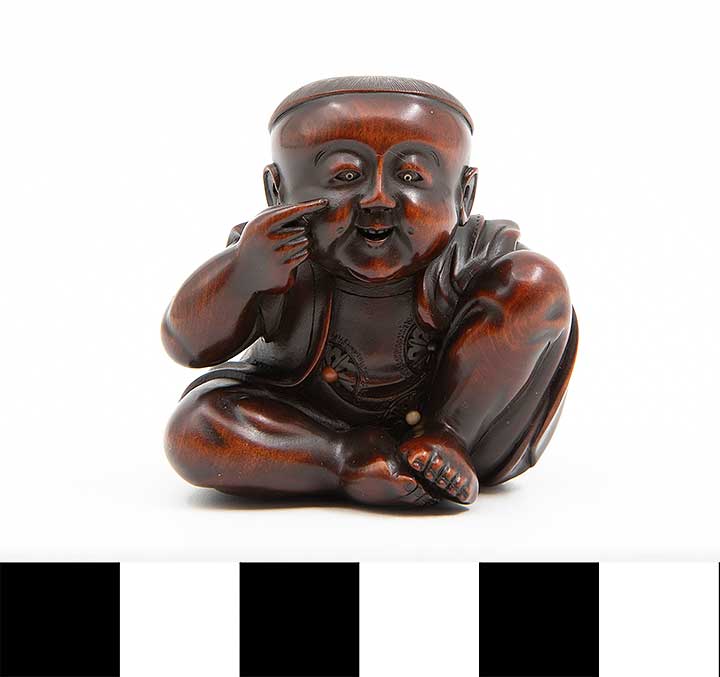
Okimono-Style Netsuke: Boy2000.20.0004 (2000.20.0004)
5.2 x 5.2 x 5.1 cm (45 g)
Location: Asia, East: Japan
Period: Edo Period (1603-1868); 1800-1825
Classification/Nomenclature: Personal Artifacts : Personal Gear : Personal Carrying & Storage Gear
Description: This is a Japanese netsuke of a boy. The netsuke, literally meaning root (ne) and attached or hung (tsuke) is a clothing fastener which is situated on the upper end of the kimono sash (obi)...
Period: Edo Period (1603-1868); 1800-1825
Classification/Nomenclature: Personal Artifacts : Personal Gear : Personal Carrying & Storage Gear
Description: This is a Japanese netsuke of a boy. The netsuke, literally meaning root (ne) and attached or hung (tsuke) is a clothing fastener which is situated on the upper end of the kimono sash (obi)...
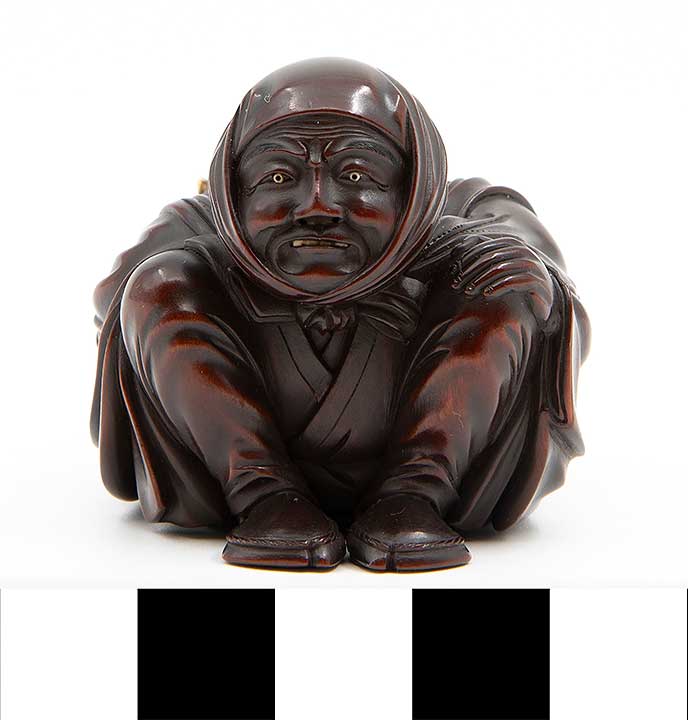
Okimono-Style Netsuke: Traveler2000.20.0005 (2000.20.0005)
6.2 x 5.3 x 5 cm (61 g)
Location: Asia, East: Japan
Period: Edo Period (1603-1868); 1800-1825
Classification/Nomenclature: Personal Artifacts : Personal Gear : Personal Carrying & Storage Gear
Description: This is a Japanese netsuke of a traveler. The netsuke, literally meaning root (ne) and attached or hung (tsuke) is a clothing fastener which is situated on the upper end of the kimono sash (obi)...
Period: Edo Period (1603-1868); 1800-1825
Classification/Nomenclature: Personal Artifacts : Personal Gear : Personal Carrying & Storage Gear
Description: This is a Japanese netsuke of a traveler. The netsuke, literally meaning root (ne) and attached or hung (tsuke) is a clothing fastener which is situated on the upper end of the kimono sash (obi)...
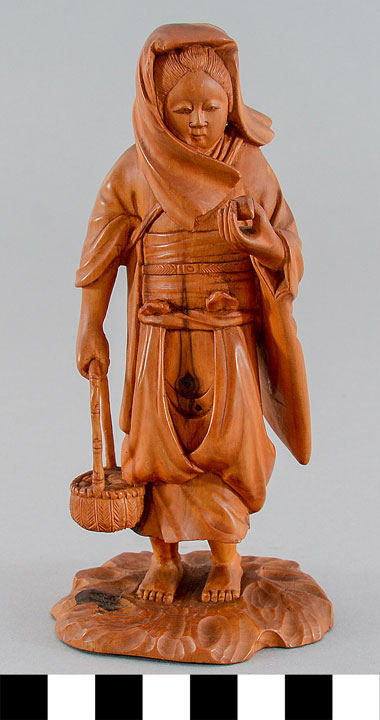
Okimono: Woman with Basket of Fruit2000.20.0006 (2000.20.0006)
14.9 x 7.4 x 6.9 cm (134 g)
Location: Asia, East: Japan
Period: Meiji Period (1868-1912); 1868 - 1912 CE
Classification/Nomenclature: Communication Artifacts : Art
Description: This is a Japanese boxwood okimono of a woman with a fruit basket. While the carving is signed at the bottom, the author is unknown...
Period: Meiji Period (1868-1912); 1868 - 1912 CE
Classification/Nomenclature: Communication Artifacts : Art
Description: This is a Japanese boxwood okimono of a woman with a fruit basket. While the carving is signed at the bottom, the author is unknown...
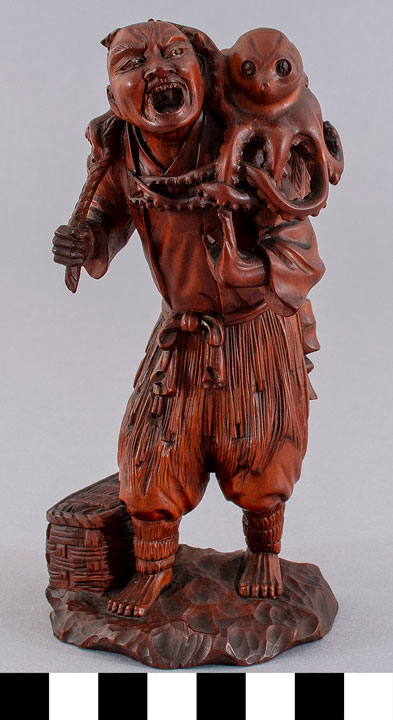
Okimono: Fisherman2000.20.0007 (2000.20.0007)
13.8 x 7.4 x 7.3 cm (196 g)
Location: Asia, East: Japan
Period: Meiji Period (1868-1912); 1868 - 1912
Classification/Nomenclature: Communication Artifacts : Art
Description: This is a Japanese boxwood okimono of a fisherman with an octopus on his shoulder. It is created with a yellowish brown hardwood (boxwood)...
Period: Meiji Period (1868-1912); 1868 - 1912
Classification/Nomenclature: Communication Artifacts : Art
Description: This is a Japanese boxwood okimono of a fisherman with an octopus on his shoulder. It is created with a yellowish brown hardwood (boxwood)...
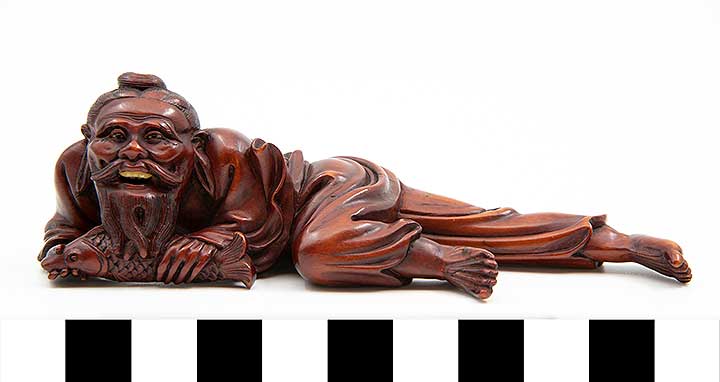
Figurine: Recumbent Elder2000.20.0008 (2000.20.0008)
15 x 6.1 x 4.8 cm (75 g)
Location: Asia, East: China
Period: Qing Dynasty (1644-1911); 18th - 19th century
Classification/Nomenclature: Communication Artifacts : Art
Description: This is a Chinese carved figurine of a recumbent elder holding a fish. The natural world has been a consistent theme of Chinese lacquered artwork, and fish are represented as symbols of water and fertility, even frequently being featured in the designs of wedding gifts given by a bride's family...
Period: Qing Dynasty (1644-1911); 18th - 19th century
Classification/Nomenclature: Communication Artifacts : Art
Description: This is a Chinese carved figurine of a recumbent elder holding a fish. The natural world has been a consistent theme of Chinese lacquered artwork, and fish are represented as symbols of water and fertility, even frequently being featured in the designs of wedding gifts given by a bride's family...
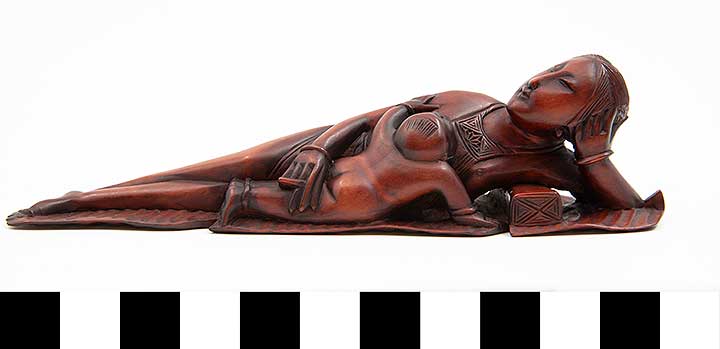
Figurine: Recumbent Woman2000.20.0009A (2000.20.0009A)
17.8 x 4.3 x 3.5 cm (88 g)
Location: Asia, East: China
Period: Qing Dynasty (1644-1911); 19th century
Classification/Nomenclature: Communication Artifacts : Art
Description: This is a Chinese carved figurine of a recumbent woman nursing her baby upon a leaf-like mat. This type of sentimental and natural imagery has been a consistent theme of Chinese lacquered artwork...
Period: Qing Dynasty (1644-1911); 19th century
Classification/Nomenclature: Communication Artifacts : Art
Description: This is a Chinese carved figurine of a recumbent woman nursing her baby upon a leaf-like mat. This type of sentimental and natural imagery has been a consistent theme of Chinese lacquered artwork...
Stand2000.20.0009B (2000.20.0009B)
20.2 x 6.7 x .9 cm (98 g)
Location: Asia, East: China
Period: Qing Dynasty (1644-1911); 19th century
Classification/Nomenclature: Furnishings : Furniture : Support Furniture
Description: This is the stand of a Qing Dynasty (1644-1911) carved figurine of a recumbent woman nursing her baby upon a leaf-like mat...
Period: Qing Dynasty (1644-1911); 19th century
Classification/Nomenclature: Furnishings : Furniture : Support Furniture
Description: This is the stand of a Qing Dynasty (1644-1911) carved figurine of a recumbent woman nursing her baby upon a leaf-like mat...
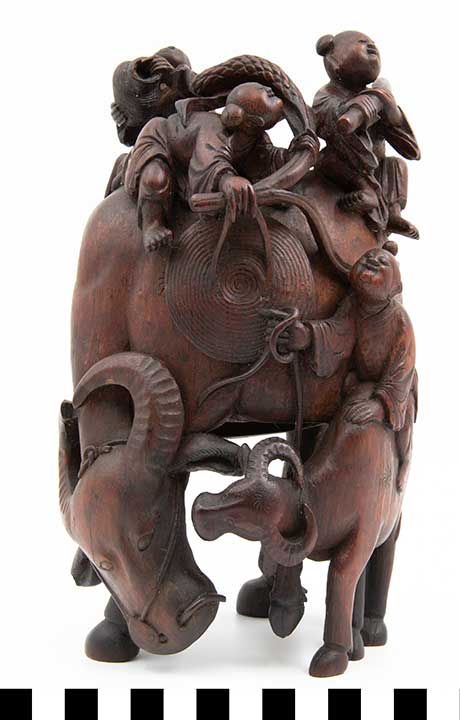
Figurine: Daoist Immortals and Water Buffalo2000.20.0010 (2000.20.0010)
26.1 x 16 x 15.3 cm (844 g)
Location: Asia, East: China
Period: Qing Dynasty (1644-1911); 19th century
Classification/Nomenclature: Communication Artifacts : Art
Description: This is a bamboo carving of two water buffalos with riders. Three of the shown figures are Daoist immortals who are riding the larger water buffalo...
Period: Qing Dynasty (1644-1911); 19th century
Classification/Nomenclature: Communication Artifacts : Art
Description: This is a bamboo carving of two water buffalos with riders. Three of the shown figures are Daoist immortals who are riding the larger water buffalo...
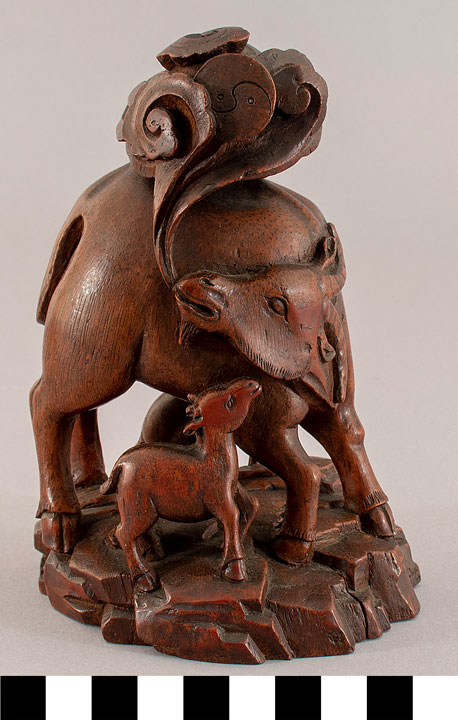
Carving: Goat and Kids2000.20.0011 (2000.20.0011)
14.3 x 10.6 x 9.3 cm (179 g)
Location: Asia, East: China
Period: Reign of Kang Hsi (1662–1722), Qing Dynasty (1644-1911); 1662 - 1722
Classification/Nomenclature: Communication Artifacts : Art
Description: The goat, being the eighth symbolic animal of the Twelve Terrestrial Branches and one of the six sacrificial animals, is often featured in Chinese art...
Period: Reign of Kang Hsi (1662–1722), Qing Dynasty (1644-1911); 1662 - 1722
Classification/Nomenclature: Communication Artifacts : Art
Description: The goat, being the eighth symbolic animal of the Twelve Terrestrial Branches and one of the six sacrificial animals, is often featured in Chinese art...
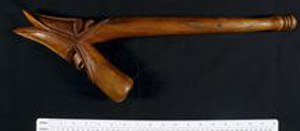
Ritual Club for Slaughtering Pigs2000.21.0001 (2000.21.0001)
55.6 x 16.1 x 4.8 cm (734 g)
Location: Oceania--Melanesia: Vanuatu
Period: 1999
Classification/Nomenclature: Science & Technology T&E : Armaments : Percussive Weapons
Period: 1999
Classification/Nomenclature: Science & Technology T&E : Armaments : Percussive Weapons
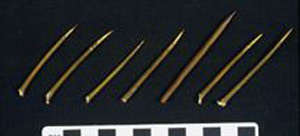
Thorns for Separating Pandanus for Plaiting2000.21.0002A (2000.21.0002A)
6.8 x cm ( g)
Location: Oceania--Melanesia: Vanuatu: West Futuna
Classification/Nomenclature: Materials T&E : Fiberworking T&E
Classification/Nomenclature: Materials T&E : Fiberworking T&E
Thorns for Separating Pandanus for Plaiting2000.21.0002B (2000.21.0002B)
6.8 x cm ( g)
Location: Oceania--Melanesia: Vanuatu: West Futuna
Classification/Nomenclature: Materials T&E : Fiberworking T&E
Classification/Nomenclature: Materials T&E : Fiberworking T&E
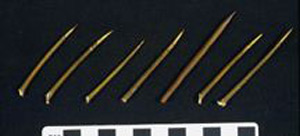
Thorns for Separating Pandanus for Plaiting2000.21.0002C (2000.21.0002C)
6.8 x cm ( g)
Location: Oceania--Melanesia: Vanuatu: West Futuna
Classification/Nomenclature: Materials T&E : Fiberworking T&E
Classification/Nomenclature: Materials T&E : Fiberworking T&E
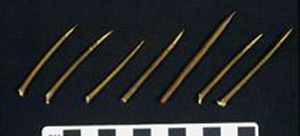
Thorns for Separating Pandanus for Plaiting2000.21.0002D (2000.21.0002D)
6.8 x cm ( g)
Location: Oceania--Melanesia: Vanuatu: West Futuna
Classification/Nomenclature: Materials T&E : Fiberworking T&E
Classification/Nomenclature: Materials T&E : Fiberworking T&E
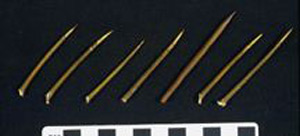
Thorns for Separating Pandanus for Plaiting2000.21.0002E (2000.21.0002E)
6.8 x cm ( g)
Location: Oceania--Melanesia: Vanuatu: West Futuna
Classification/Nomenclature: Materials T&E : Fiberworking T&E
Classification/Nomenclature: Materials T&E : Fiberworking T&E
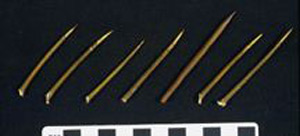
Thorns for Separating Pandanus for Plaiting2000.21.0002F (2000.21.0002F)
6.8 x cm ( g)
Location: Oceania--Melanesia: Vanuatu: West Futuna
Classification/Nomenclature: Materials T&E : Fiberworking T&E
Classification/Nomenclature: Materials T&E : Fiberworking T&E
Search Examples
Explore More
Access the public portions of the catalog records for the approximately 50,000 cultural and ethnographic objects in the Museum's Artifact Collection.