What Was Taken, What Endured
- Duration:Temporary
- Location:Whitten Featured Object Case
(date) 1/27/2026–3/1/2026
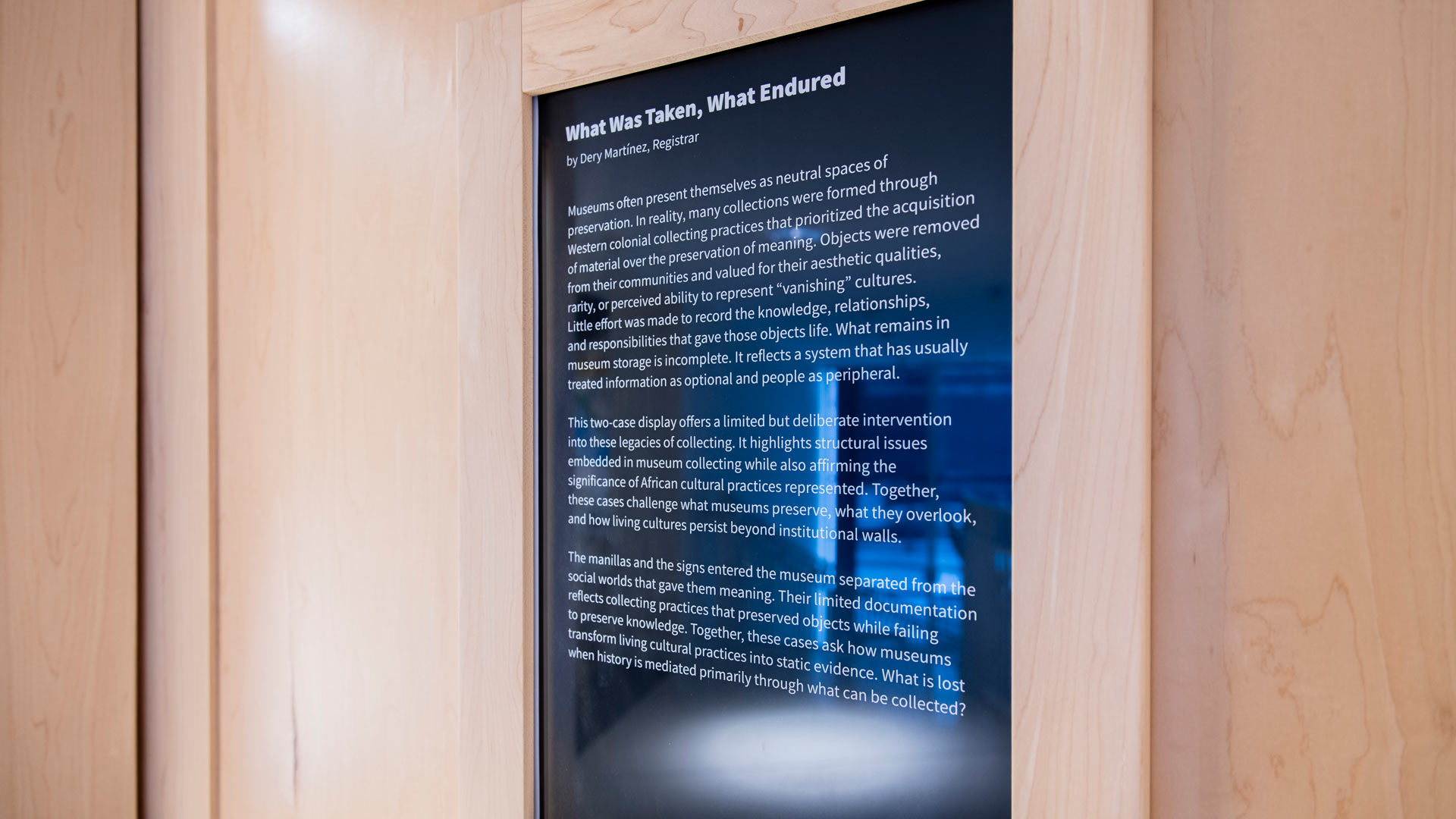
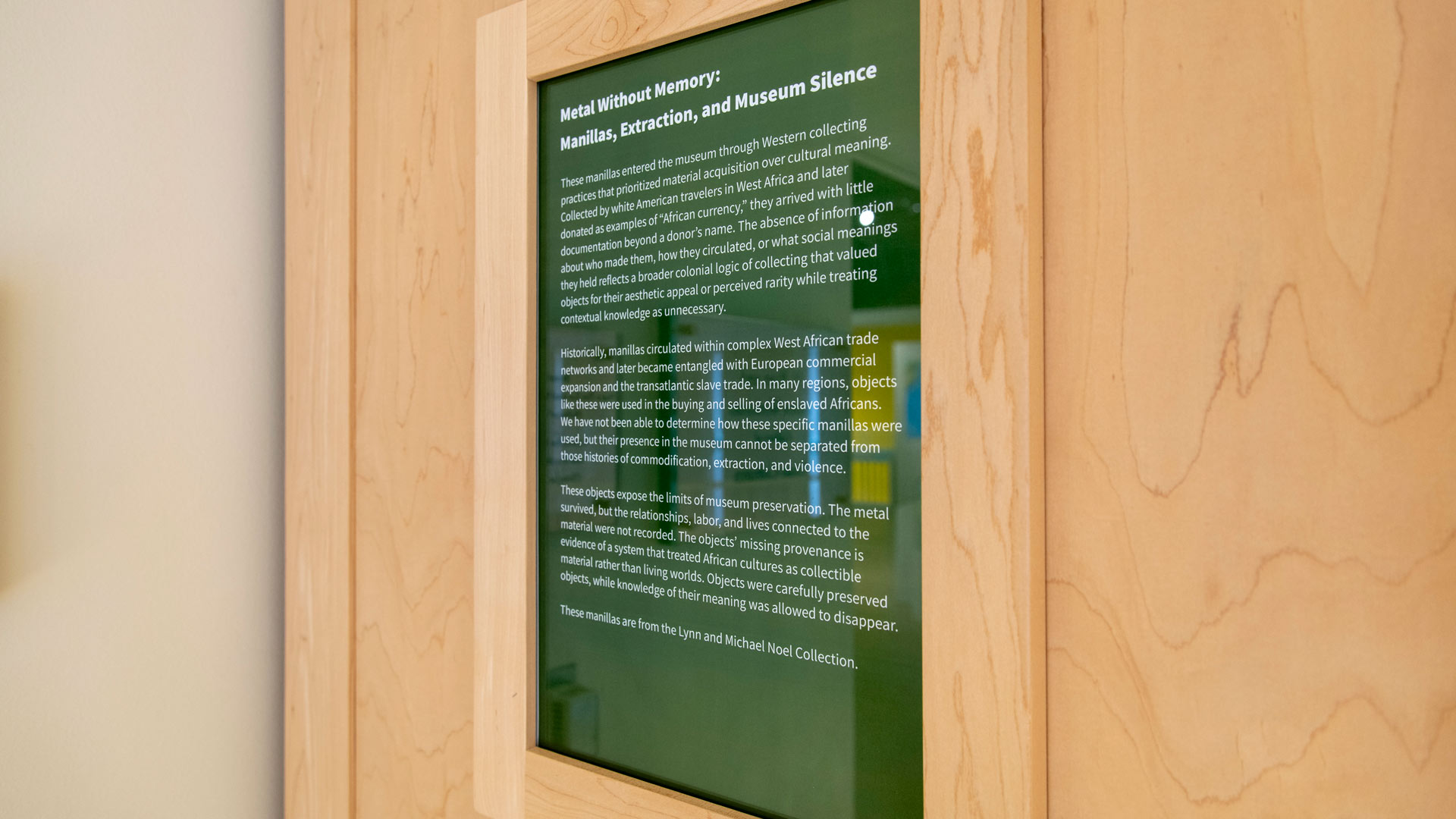
Museums often present themselves as neutral spaces of preservation. In reality, many collections were formed through Western colonial collecting practices that prioritized the acquisition of material over the preservation of meaning. Objects were removed from their communities and valued for their aesthetic qualities, rarity, or perceived ability to represent “vanishing” cultures. Little effort was made to record the knowledge, relationships, and responsibilities that gave those objects life. What remains in museum storage is incomplete. It reflects a system that has usually treated information as optional and people as peripheral.
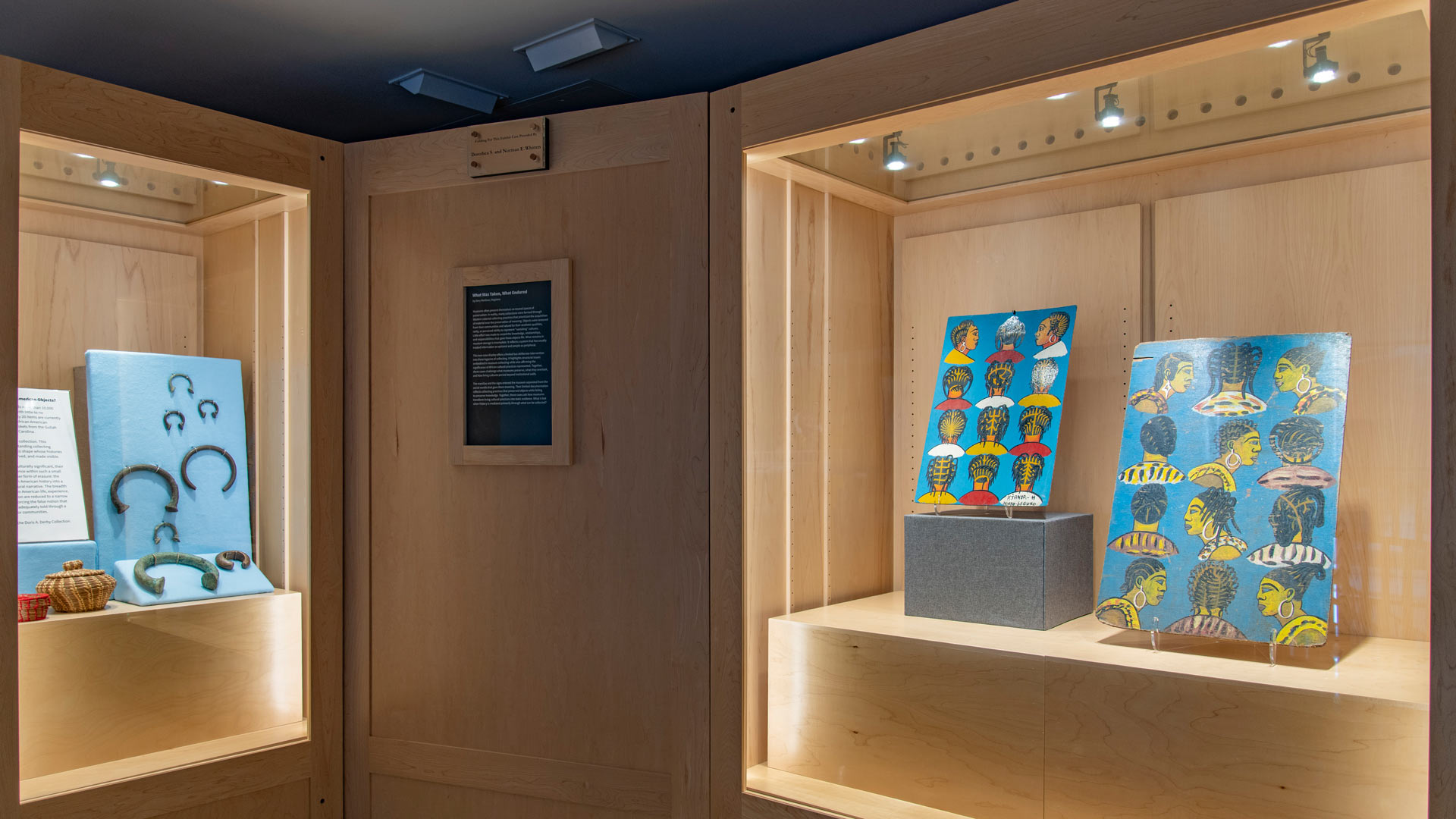
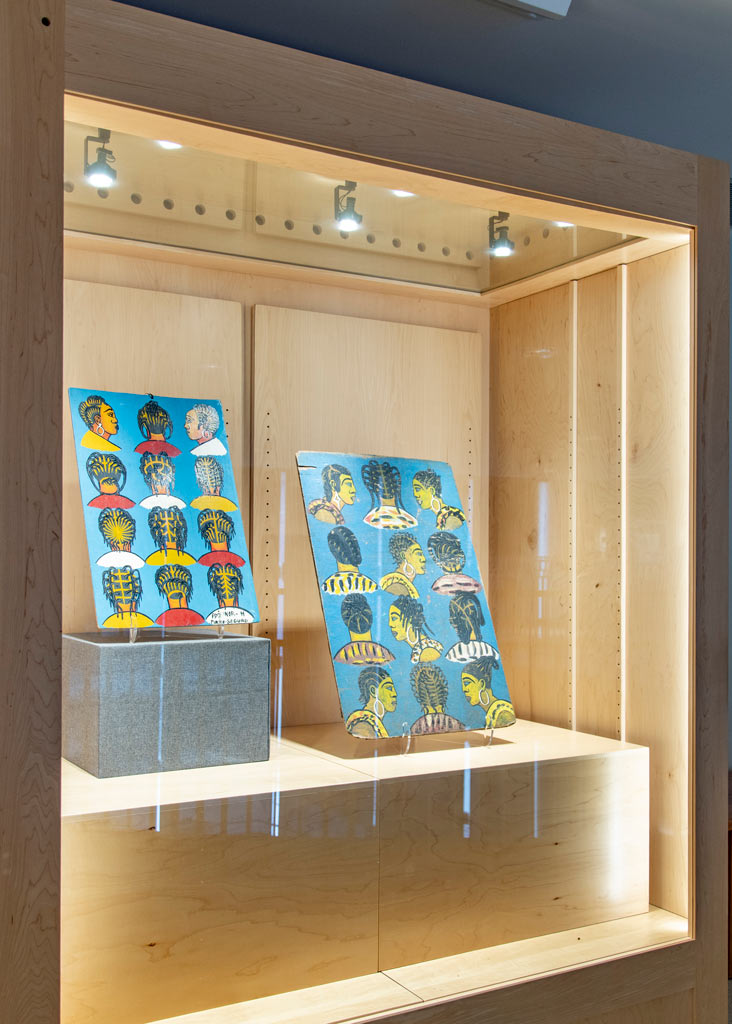
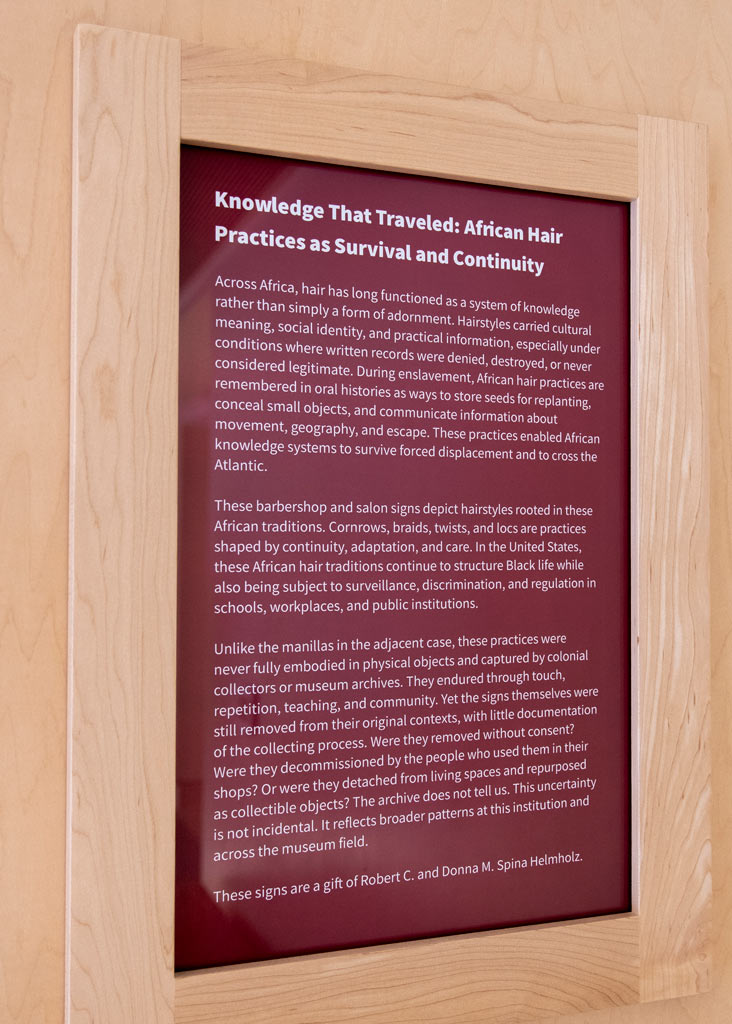
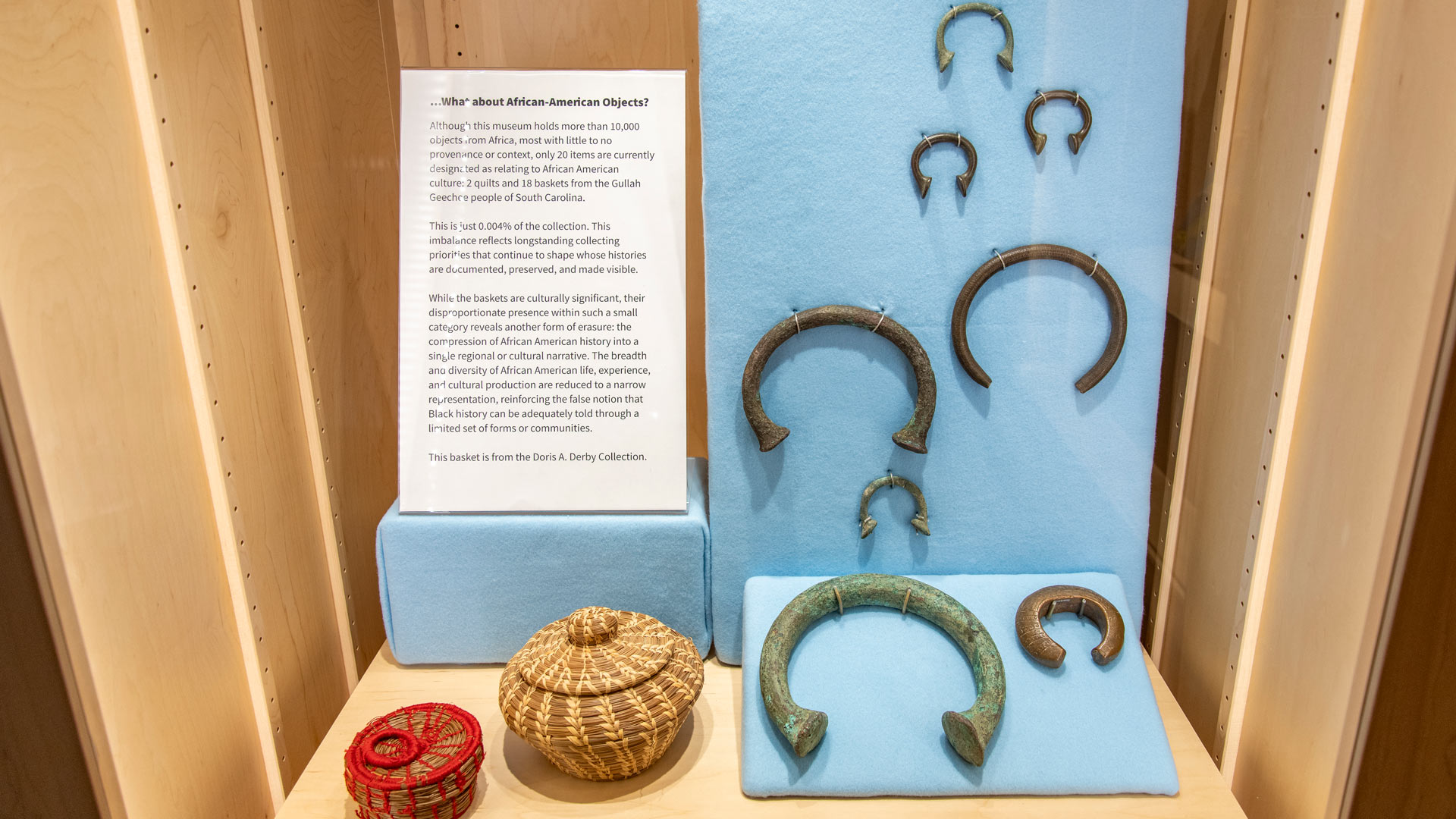
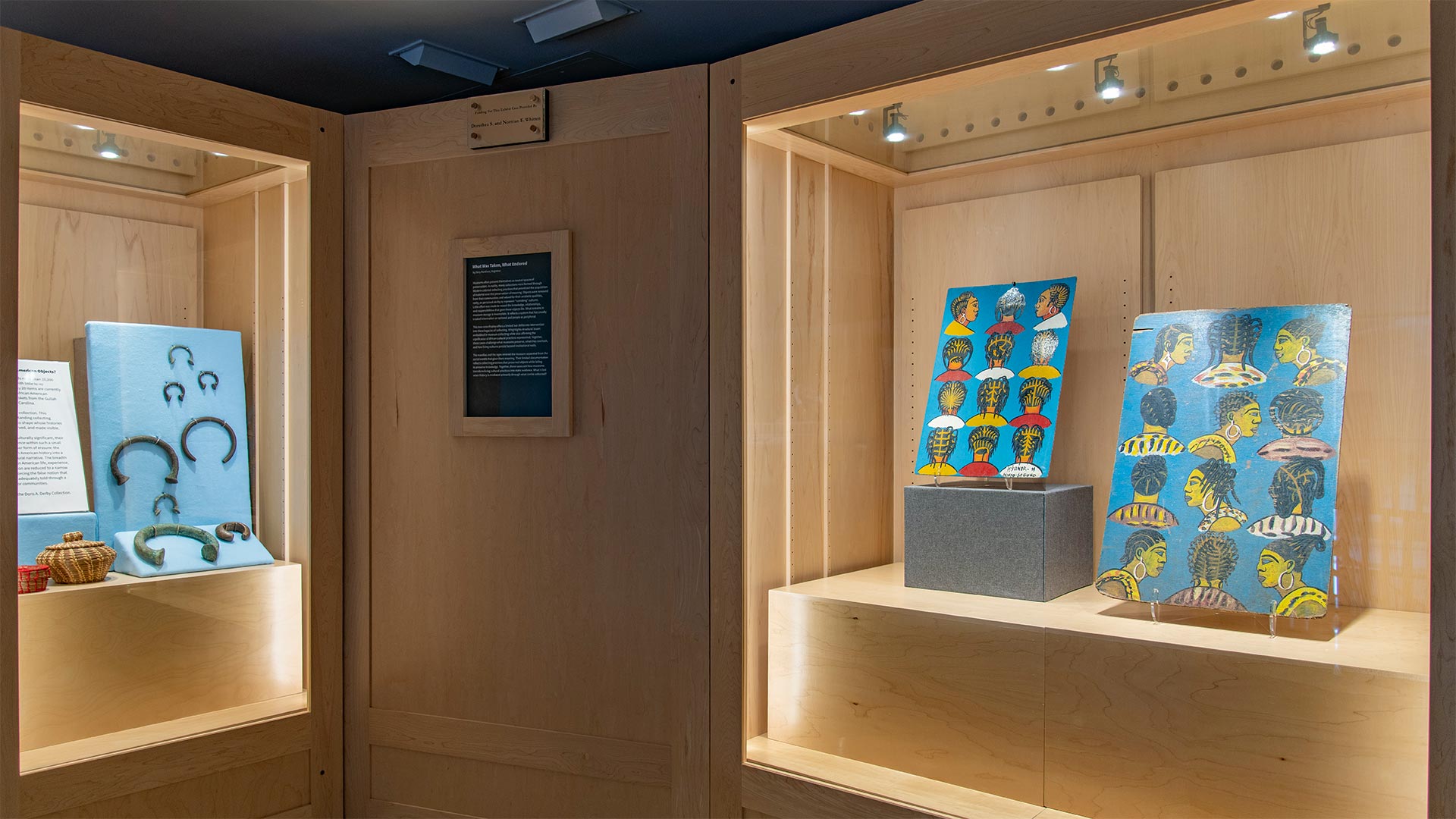
This two-case display offers a limited but deliberate intervention into these legacies of collecting. It highlights structural issues embedded in museum collecting while also affirming the significance of African cultural practices represented. Together, these cases challenge what museums preserve, what they overlook, and how living cultures persist beyond institutional walls.
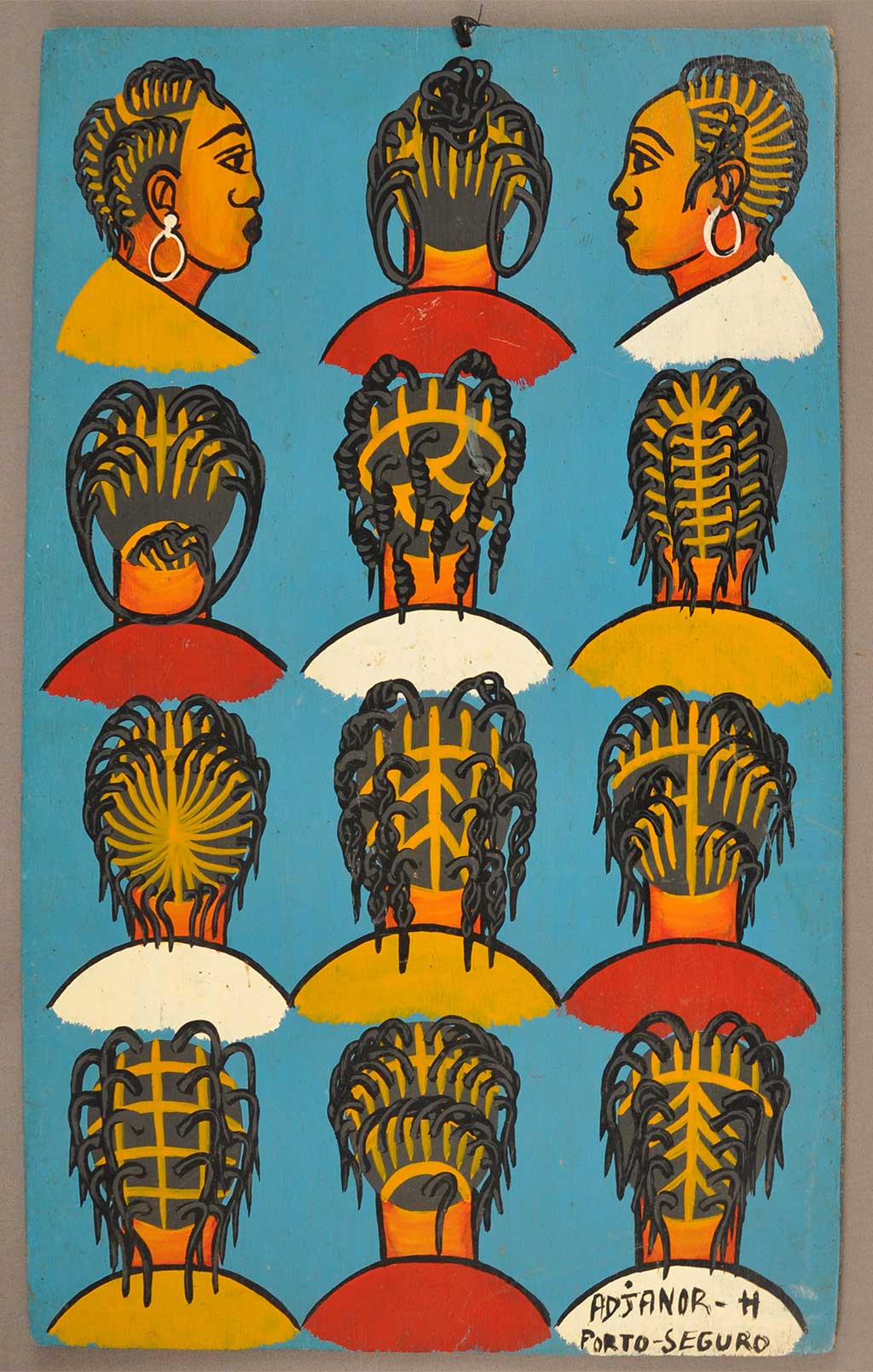
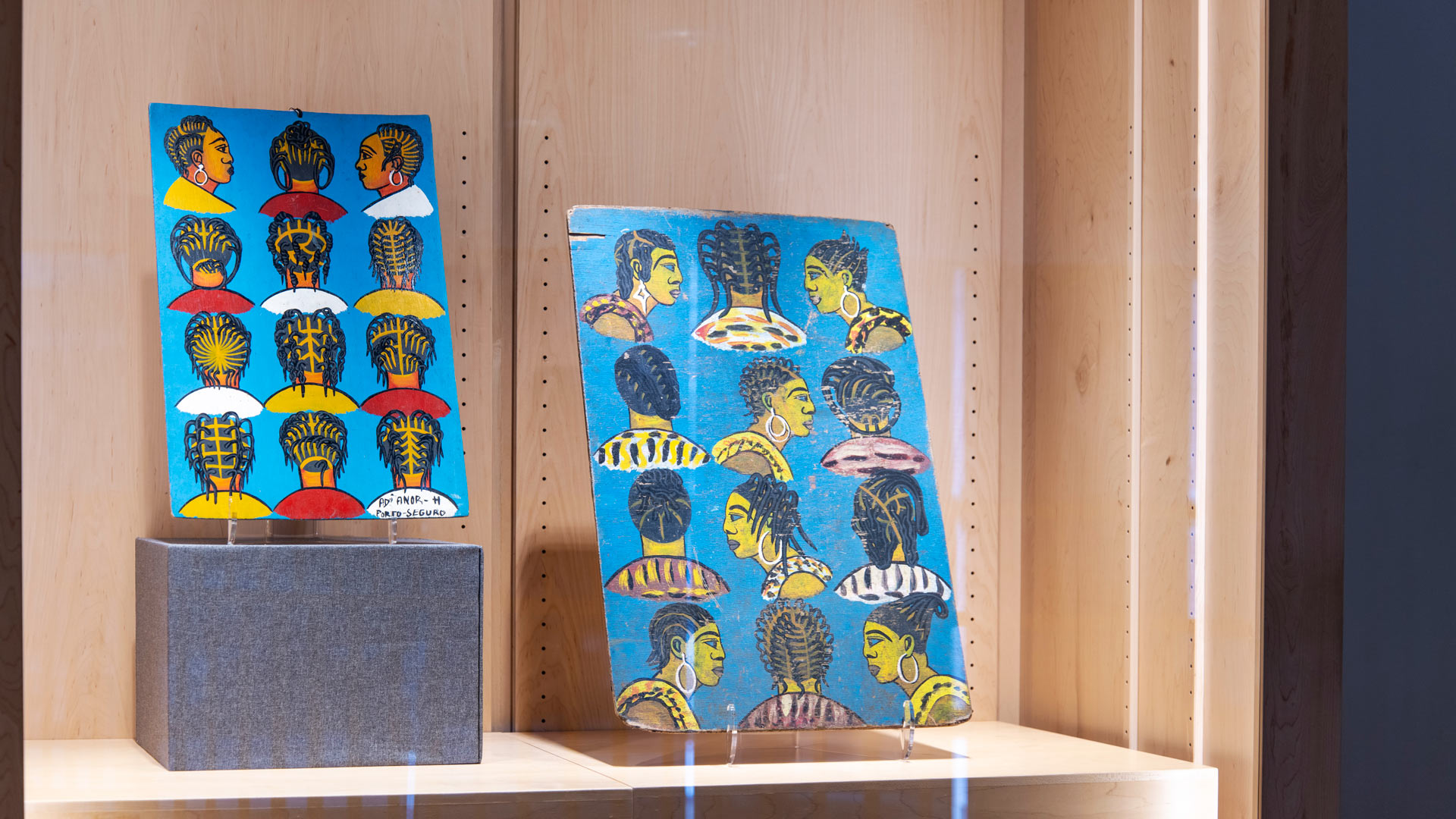
The manillas and the signs entered the museum separated from the social worlds that gave them meaning. Their limited documentation reflects collecting practices that preserved objects while failing to preserve knowledge. Together, these cases ask how museums transform living cultural practices into static evidence. What is lost when history is mediated primarily through what can be collected?