Ethos of Care
A Humanities, Arts, and Social Sciences Community of Practice Guided by Reciprocity, True Collaboration, and Radical Empathy organized by Spurlock Museum and HRI
Our goal is to develop and nurture a community of practice to support graduate students, staff, and faculty who are engaged in or want to delve into cultural heritage care and research in an ethical and non-extractive manner. While cultural heritage care, management, research, and interpretation is not a new field, our practices are rapidly evolving. Most of us engaged in this work never received formal training or relevant mentorship. By creating a cross-disciplinary community of practice we hope to develop scaffolding for collaboration, provide connection and support, and advance more relevant, meaningful, and ethically sound practices for the benefit of the communities we serve.
Community of Practice Activities
For the 2026–2027 Academic year, our community of practice activities will include:
- Workshop series: Participants will meet six times over the course of the 2026–2027 academic year to discuss select topics centered on ethical practices in cultural heritage care and research and develop a community of practice and care—a supportive network of colleagues across campus who engage in this work.
- Events: Discussions, guest lectures, film screenings, and community conversations throughout the academic year centered broadly around topics related to ethical heritage care and research and open to all.
- Graduate student mentoring sessions: Informal sessions will be organized by a graduate student steering committee to create a mosaic of support across campus for graduate students to engage with peers, professionals, and faculty with experience in ethical heritage care and research.
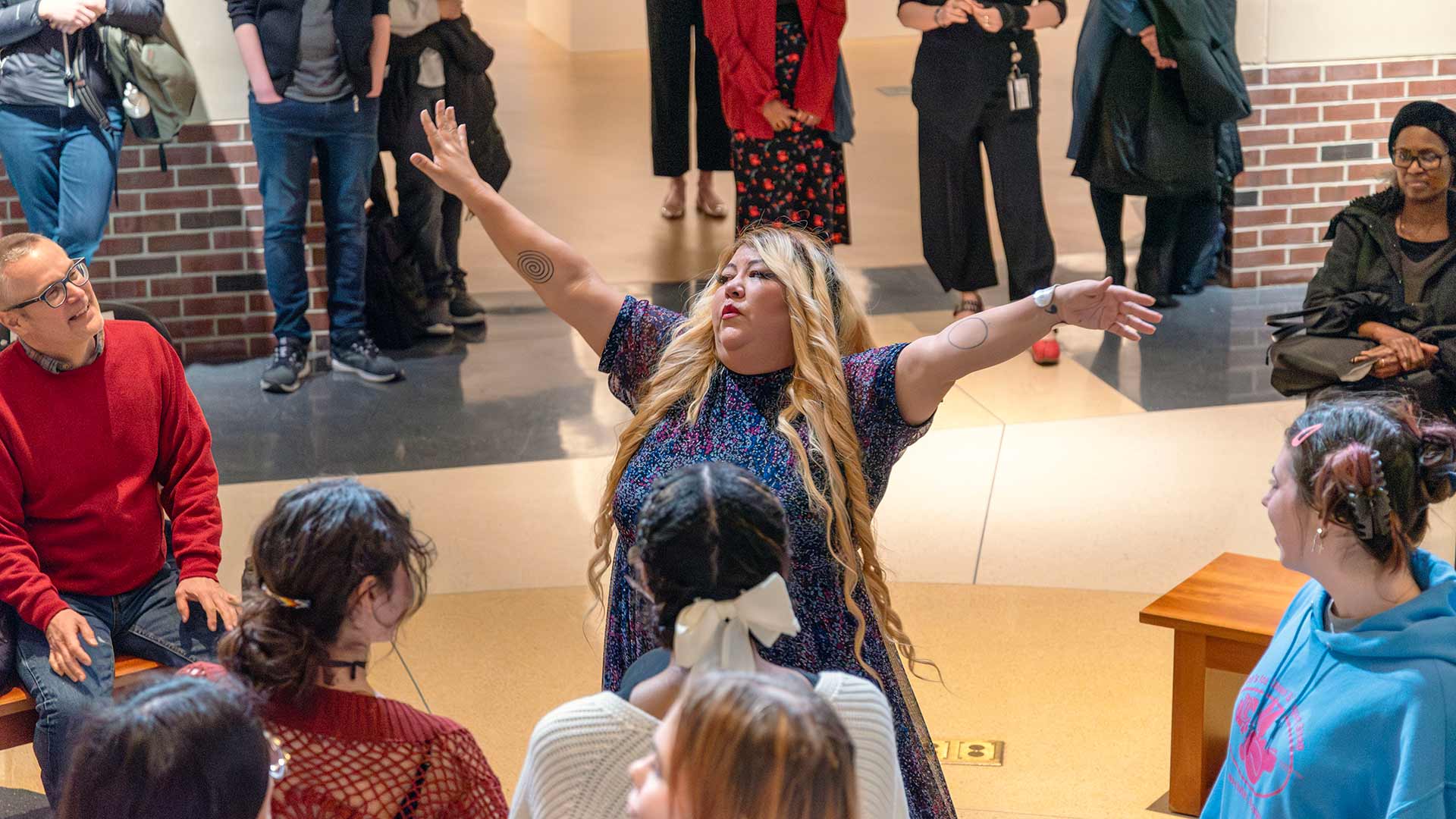
Workshop Series 2026–2027: Ethical Heritage Care in Practice
Organized by Spurlock Museum and HRI. Workshops will be held at the Spurlock Museum. The first workshop cohort will be selected via an application process. Faculty, staff, and graduate students are eligible to apply. The application will be available in early February 2026.
- Meeting 1: Introduction, Group Goal-Setting; Confronting the Difficult Histories of our Practice/Field
Friday, September 11, 2026, noon–3:00 pm - Meeting 2: Articulating the Ethics and Values of our Fields of Practice and Study
Friday, October 9, 2026, noon–3:00 pm - Meeting 3: Words Matter—The Vocabulary of Care
Friday, November 13, 2026, noon–3:00 pm - Meeting 4: Guidelines and Best Practices for Collaboration; Non-extractive Practices
Friday, February 12, 2027, noon–3:00 pm - Meeting 5: Abdicating Authority; Stakeholder Epistemologies
Friday, March 5, 2027, noon–3:00 pm - Meeting 6: Expressing Gratitude; Conclusions & Reflections; Future Practice
Friday, April 9, 2027, noon–3:00 pm
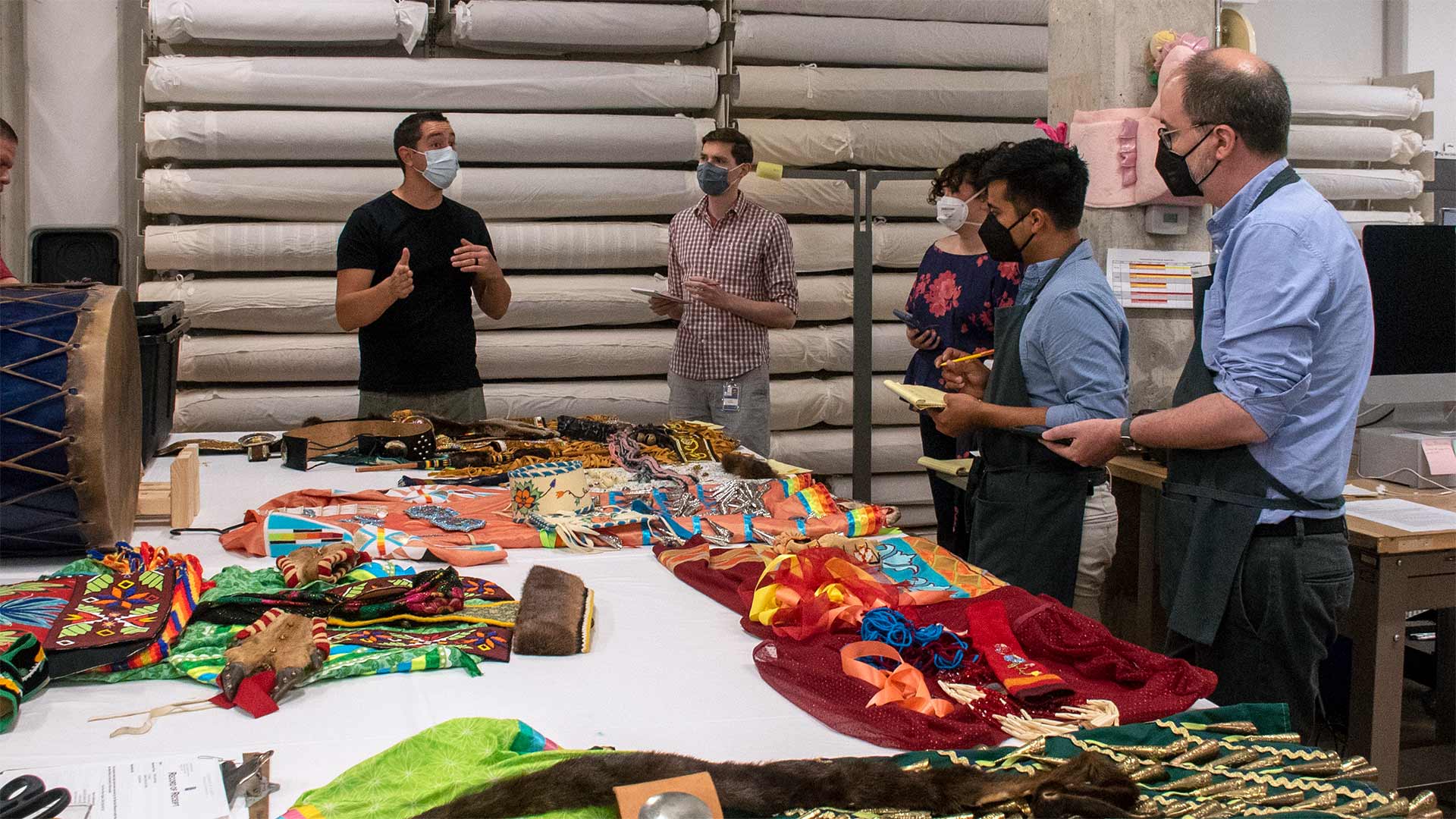
For each meeting session, lunch will be provided for participants. Each session format will vary, but all will be led by a steering committee member and will be designed to be highly participatory with ample time for discussion based on participants’ needs and interests. A living syllabus for the workshops will be created with the participants to create a reading list and resource library.
Each workshop participant is eligible to receive up to $1000 to be allocated towards projects that expand the ethos of care community of practice in their field of study or academic department or are in alignment with community of practice goals and values.
Participants who complete the workshop series will become Ethos of Care Fellows and may participate in planning the next sessions in subsequent years.
Please note that 2026–2027 will be the inaugural year for this community of practice and workshop series, and the first workshop cohort is anticipated to accommodate between 15–20 participants. The organizers intend to offer the workshop series and other related events in the future.
The application deadline for the 2026–2027 cohort has passed.
Events
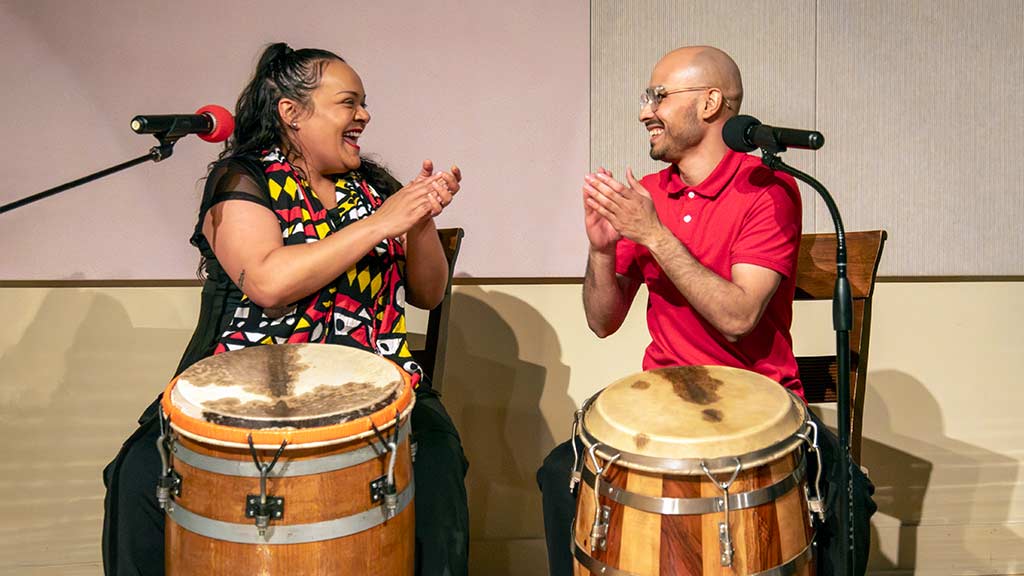
Discussions, guest lectures, film screenings, and community conversations throughout the academic year will be centered broadly around topics related to ethical heritage care and research and open to all. When events are confirmed, they will be listed here.
Ethos of Care Dialogues in Ethical Research for Graduate Students
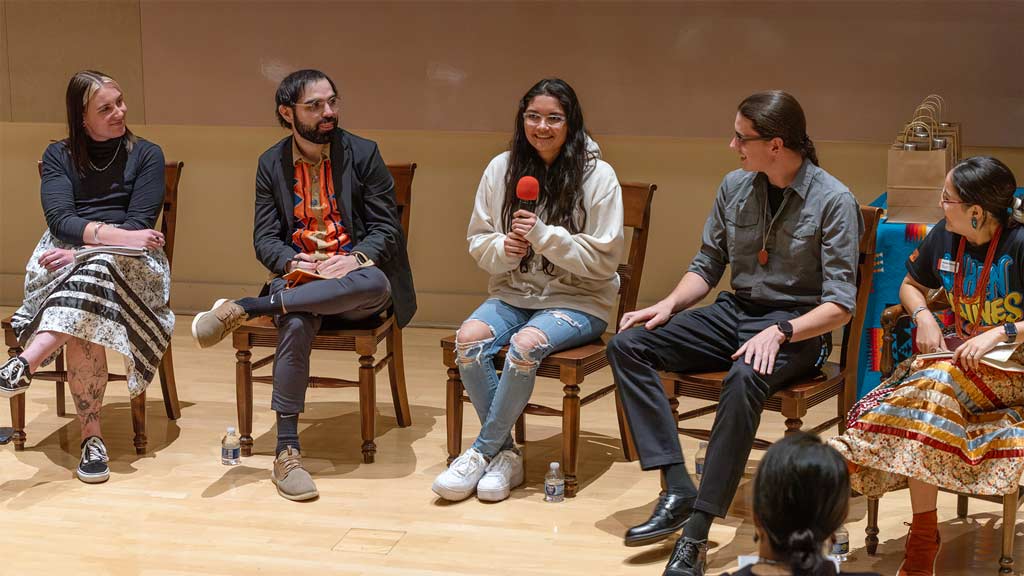
We acknowledge that it has been difficult for some graduate students working on projects related to ethical heritage care, repatriation, and community-led initiatives to receive supportive mentorship and support. We will offer informal sessions, organized by a graduate student steering committee, to create a community of care and support across campus for graduate students to engage with peers, professionals, and faculty with experience in ethical heritage care and research. Meeting dates will be posted here when they are confirmed.
Steering Committee:
- Kate Bishop, Anthropology
- David Isern, Architecture
- Krystiana Krupa, NAGPRA Office, Office of the Vice Chancellor for Research and Innovation
- Bob Morrissey, Associate Dean for Technology and Online Learning, History
- Magdalena Novoa Echuarren, Urban and Regional Planning
- Elizabeth Sutton, Spurlock Museum
- David Eby, Spurlock Museum, School of Information Sciences
- Isabella Garcia, Anthropology
- Dery Martinez Bonilla, Spurlock Museum, Architecture
- Jarrett Newman, Education, American Indian Studies
- G. Baylee Priest, Anthropology
Fellows:
- Joseph Altshuler, School of Architecture
- Madalyn Asker, School of Architecture
- Henrique Assi Hernandes, Anthropology
- Abigail Bowers, University Archives, School of Information Sciences
- Tamira Brennan, Illinois State Archaeological Survey
- Jennifer Chuong, School of Art and Design, Art History
- Lily Denehy, History
- Lydia Evans, Anthropology
- Emily Guske, Climate Jobs Institute, School of Labor & Employment Relations
- Reiko Huffman, Department of Theater
- Irum Iqbal Hussain, Comparative and World Literature
- Logan H. Lauren, Education
- Holiday Maag, School of Art and Design
- Eddie O’Byrn, African American Studies
- Arielle Reich, Anthropology
- Azlan Guttenberg Smith, English, Writing Studies
- Mania Taher, Industrial Design Program, School of Art and Design
- Sep Vaez Afshar, Informatics
- Emma D. Velez, Gender and Women’s Studies
Image Gallery