Featured Object: Rangda, Queen of Witches
- Post Date: 9/20/2026
- Author: Beth Watkins, manager of exhibit interpretation and visitor experience
- Reading Time: 4 minute read
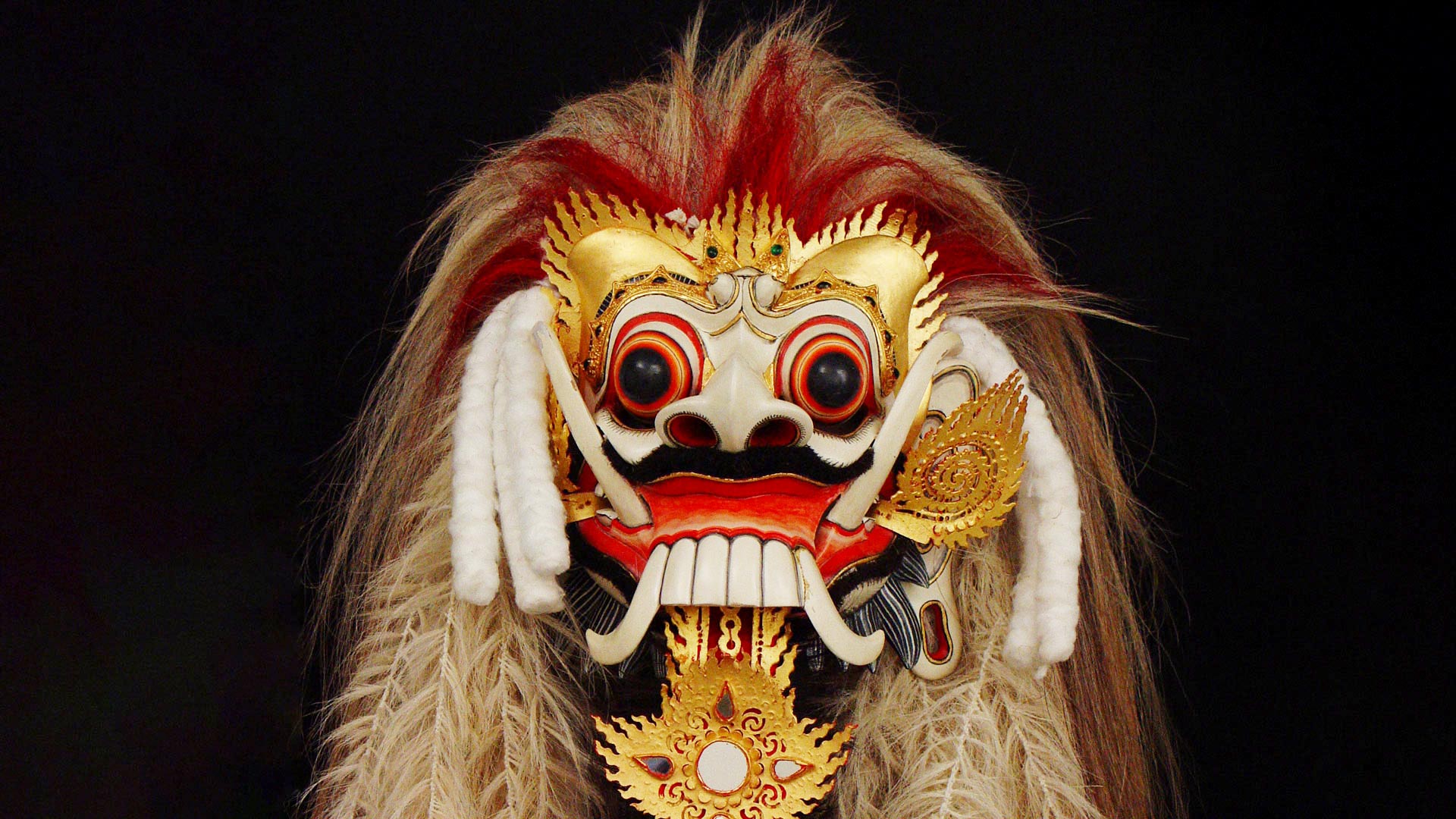
In the unique form of Hinduism practiced in Bali, Rangda is the supreme manifestation of the evil aspects of power. She is also a major character in dance-dramas that deal with visible and invisible beings. These include the gods, spirits, demons, witches, and magical creatures such as the Barong Ket, the being represented in the large dance costume hanging from the ceiling in our Gallery of Southeast Asian and Oceanic Cultures.
In one such drama, Rangda is confronted by the Barong. While Rangda represents negative forces in the universe, the Barong symbolizes positive energies. In the ensuing battle—one that is reenacted at least once a year in villages throughout Bali—Rangda is defeated but never killed, since her negative energy co-exists with the positive. Together they are complete and complement one another. In fact, one cannot exist without the other.
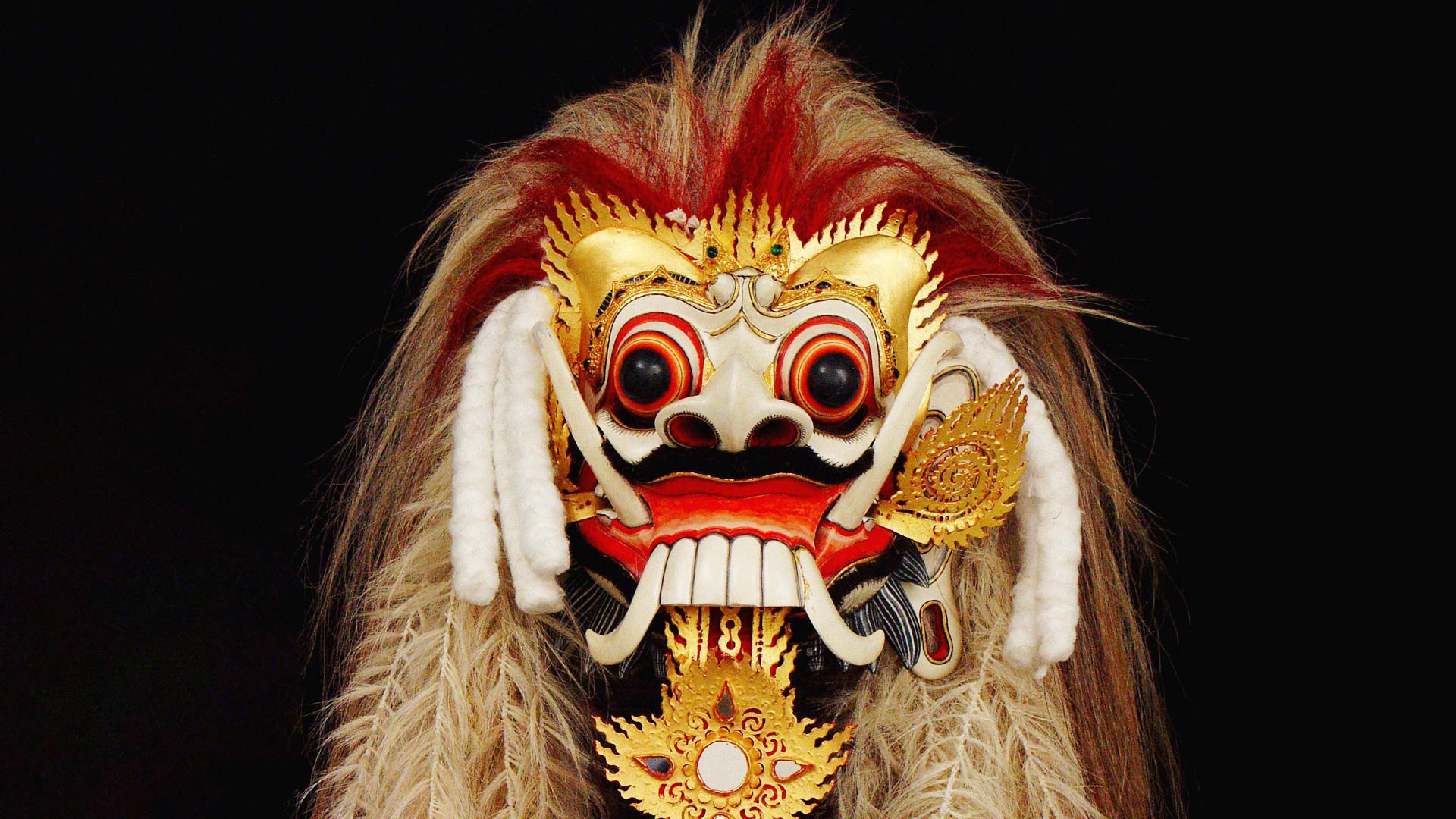
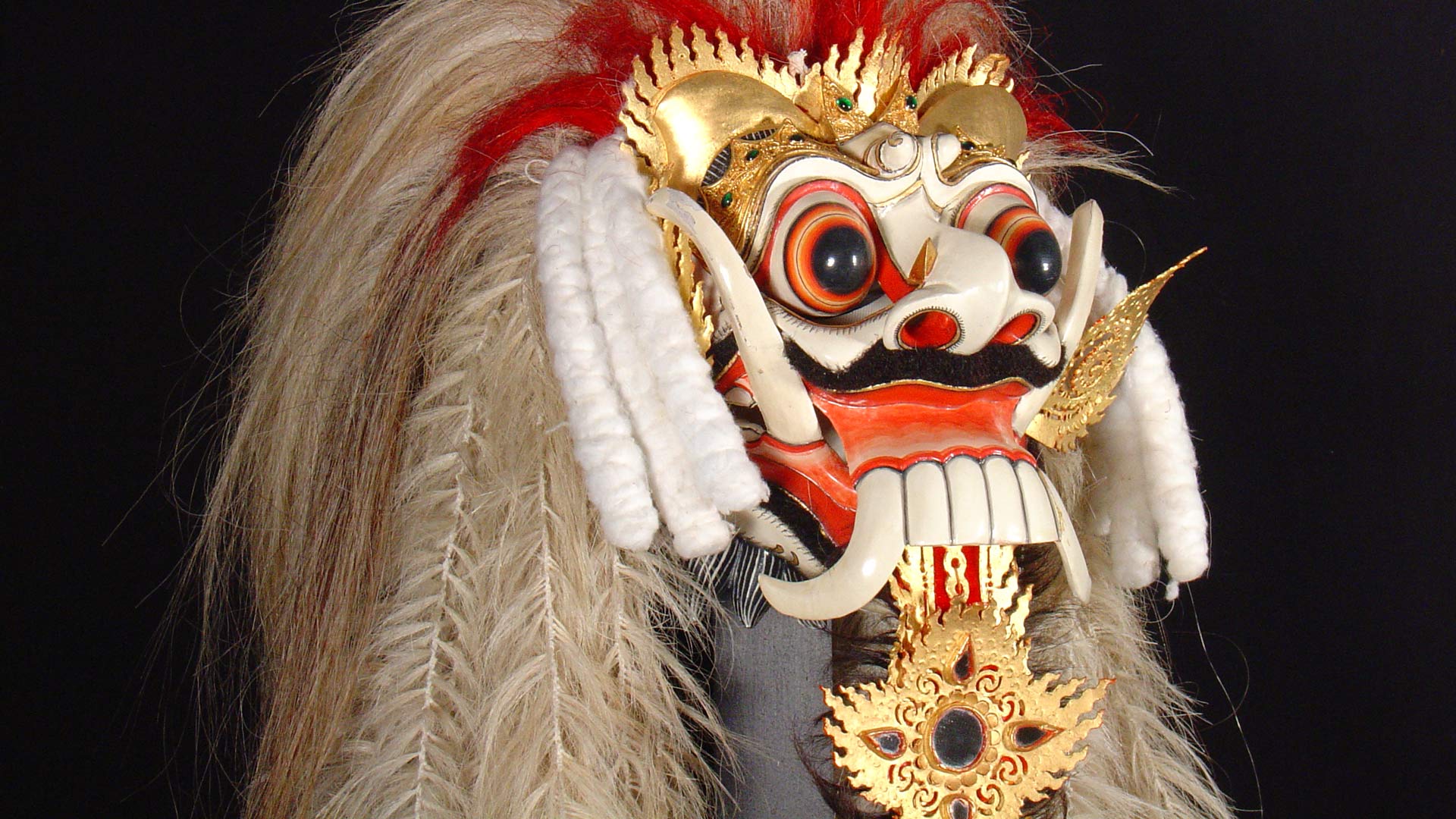
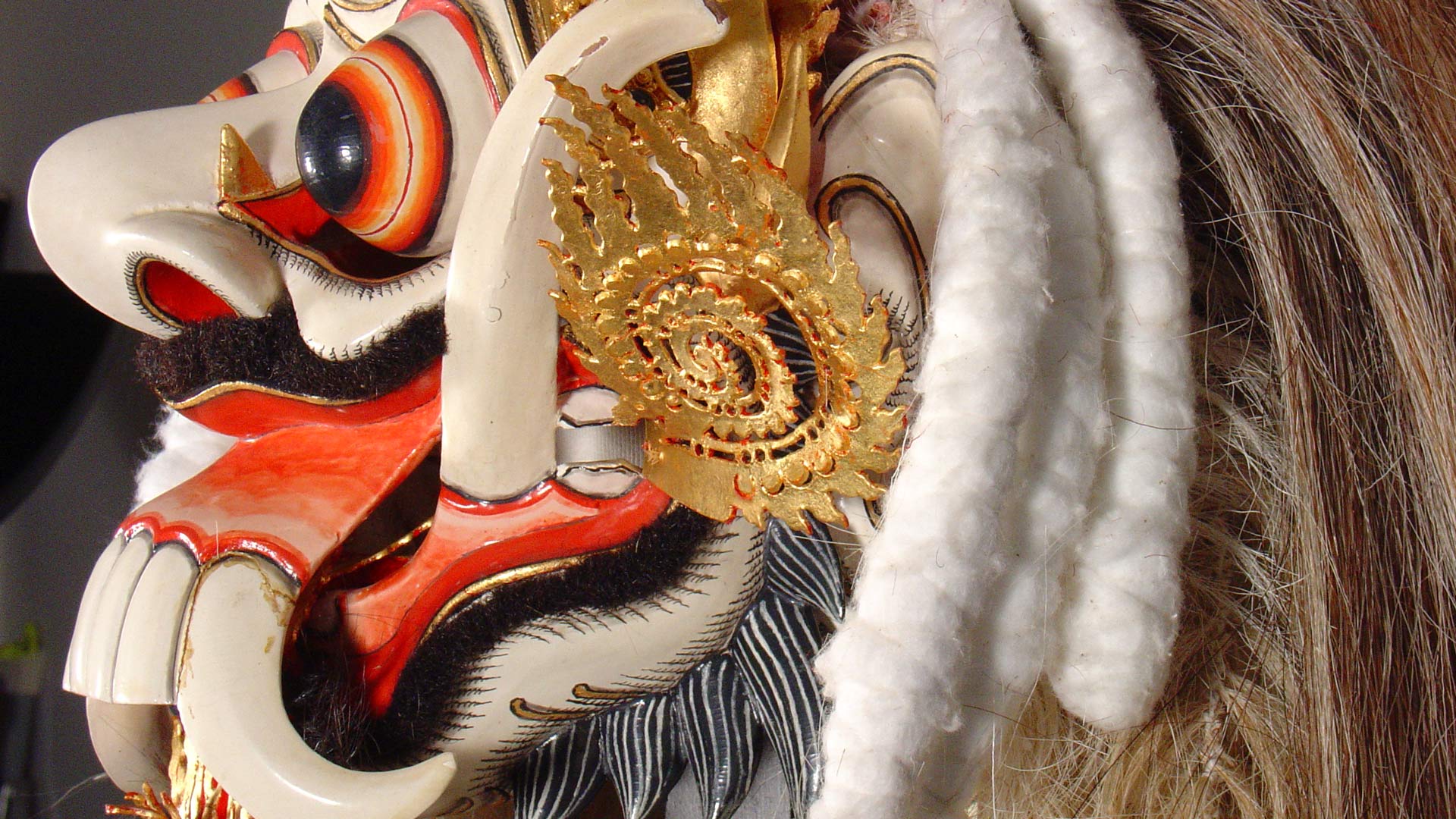
In performances where Rangda appears, her wild and untamed energy is made visible as she moves animal-like, with reckless gestures and a leaping gait. Her stringy and un- kempt hair swings madly around her body. Flames shoot out above her bulging eyes and along the fierce tongue that hangs from her mouth. Grotesque tusks threaten all who see her, and her loud, sharp voice pierces the air.
As the manifestation of the great Hindu goddess Durga, Rangda is the consort of the god Siwa the destroyer (known as Shiva in Sanskrit). Her realm is the cemetery, and sacred masks of Rangda are kept in the nearby village temples of the dead where they are brought out in procession during ceremonies to celebrate the anniversary of the temple.
Rangda’s name means “widow” in Balinese, and it comes from a legendary Javanese-Balinese tale, the 12th-century Calonarang. In this story, a Balinese king married a Javanese queen who later caused his death through sorcery. The queen, now a widow, was exiled along with her daughter. Angry that no nobleman wanted to marry the daughter of a witch, the widow caused death and destruction throughout Bali.
In Balinese Hinduism, the struggle to maintain or return the cosmological balance of opposing forces, such as good and evil or life and death, permeates all of life. This struggle is perceived, experienced, and understood in highly various and complex ways, in a world of visible and invisible beings and forces. It is central to belief, ritual and ceremonial practices, and, in many ways, to everyday life.
-
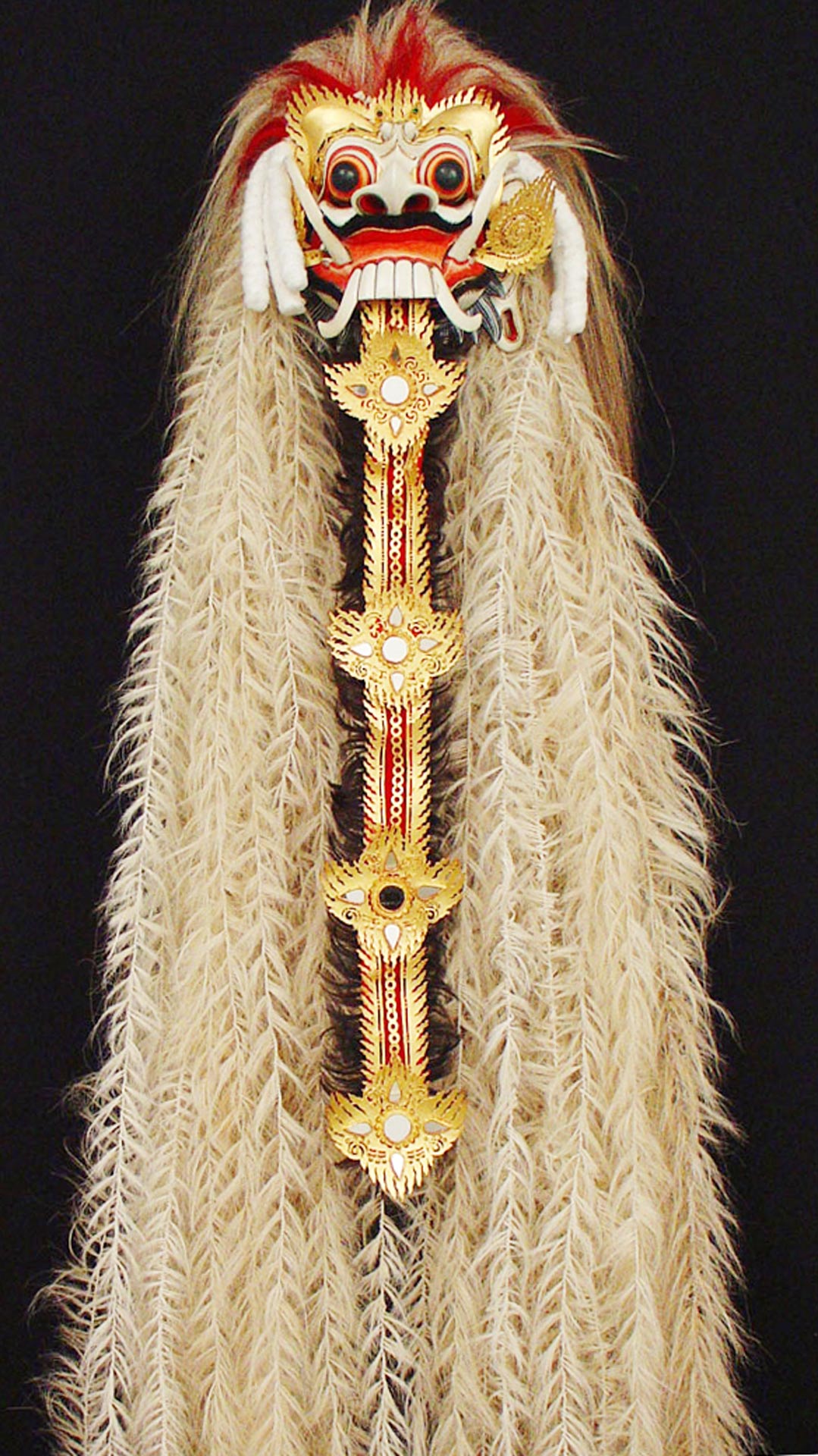 Mask: Rangda, Queen of Witches Bali Textile, feather, hair Gift of Professor John Garvey 2002.17.0002
Text adapted from our temporary exhibit Collecting and Connecting: One Hundred Years at the Spurlock Museum.
-
- Share:
- Subscribe to Newletter
- Giving